
I. Introduction
The Gospel according to Mark concludes not with a glorious appearance of the Risen Lord, nor with a triumphant proclamation of victory, but with a simple yet hope-filled promise: “He is going ahead of you to Galilee; there you will see him, just as he told you” (Mk 16:7). This promise opens a new way of understanding both the mystery of the Resurrection and the path of discipleship. Galilee is not merely a geographical location on the map. It is the symbol of new beginnings, of ordinary life, and of the peripheries – the very place that God chose as the starting point of His work of salvation. It was in Galilee that Jesus inaugurated the proclamation of the Kingdom of God, called His first disciples, healed the sick, and gathered a new community around Himself.
The Risen Lord's invitation to meet the disciples in Galilee, rather than in Jerusalem or within the Temple, reveals that the point of departure for the mission after the Resurrection is not the center of religious power, but the place where the disciples first received their vocation. After the dark days of the Cross, after fear, failure, and shattered hopes, Jesus does not lead His disciples back to the places of power. Instead, He brings them back to the place where He first called each of them by name, patiently formed them, and gradually revealed to them what it means to be His disciples. Returning to Galilee is therefore not an act of nostalgia, nor a retreat into the past. It is a return to the very source of mission, where the disciples are invited to begin anew in the light of the Resurrection.
That promise was not meant only for the disciples of the first century. Every generation has its own "Galilee" – its own peripheries where the Risen Lord has already gone ahead and continues to await His disciples. These are the places where people still struggle beneath the weight of poverty, injustice, and neglect; where human dignity cries out to be upheld; where God's love must be made visible through compassionate presence, mercy, and humble service.
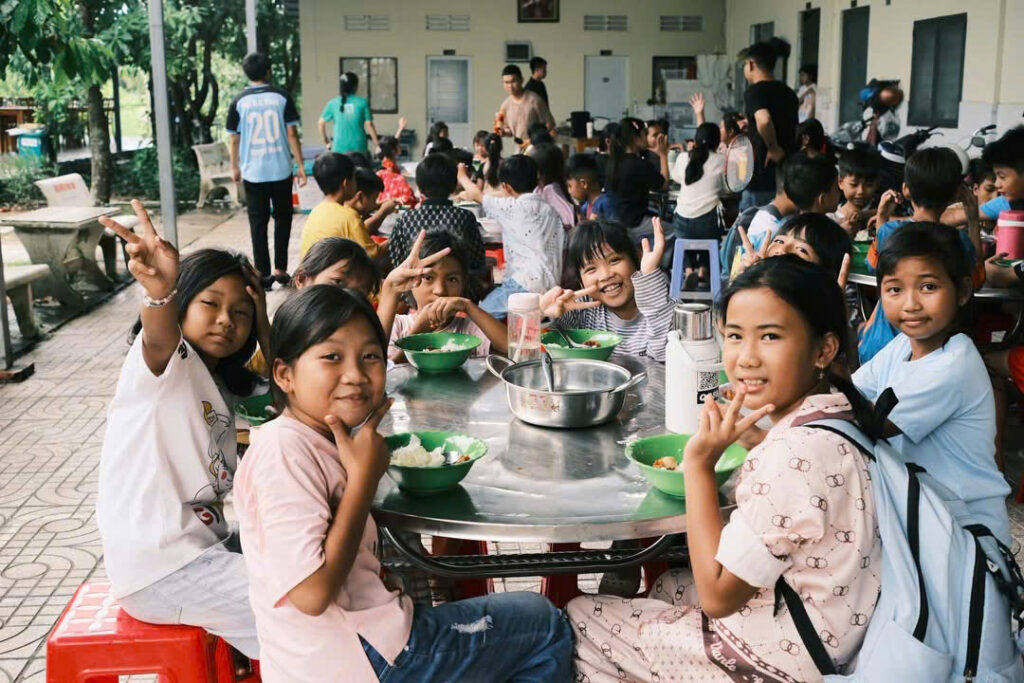
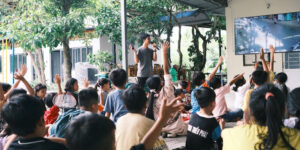
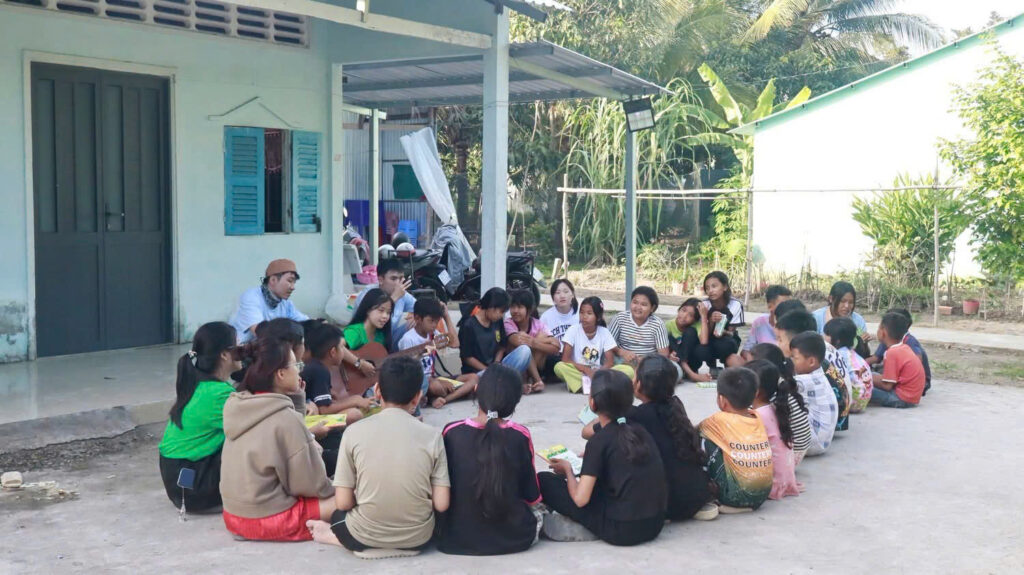
In this light, Minh Hòa can be recognized as one such "Galilee" for our own time. It is a poor rural community where a large Khmer population lives, where many families continue to struggle with the hardships of daily life, where children still lack access to education, where elderly grandparents quietly raise their grandchildren, and where many families continue to live in fragile and inadequate homes. To come to Minh Hòa is not simply to enter a place of mission. It is to follow the very path that Jesus chose for His disciples after the Resurrection: to return to the peripheries, where He always goes before us, to encounter Him in the faces of the little ones, and to continue proclaiming the Gospel through a life marked by humility, service, and love.
II. Galilee: The Place of Beginnings—and of New Beginnings
Within the theological structure of Mark's Gospel, Galilee is not only the place where Jesus' public ministry begins; it is also the place where the identity of the disciple takes shape. It was there, along the shores of the lake, that Jesus encountered ordinary men – fishermen who labored with their hands, who possessed neither social standing nor scholarly learning, and who, by the religious standards of their time, had none of the qualifications that would have marked them as ideal candidates (cf. Mk 1:16–20). Yet it was precisely these men whom He called first to follow Him. Here we discover one of the Gospel's fundamental truths: vocation does not arise from human ability or merit, but from God's free and gracious initiative. God does not choose those who are already perfect; rather, He calls fragile men and women so that His grace may bring His work to completion in their weakness.[1] Galilee thus becomes the place where the memory of vocation is born, where people discover that they are loved and chosen by God in the midst of the ordinary realities of daily life.
Galilee is also the place where Jesus reveals the mystery of the Kingdom of God through the simple images of everyday life: the lamp set on a lampstand, the seed that sprouts and grows though no one knows how, the mustard seed that becomes the greatest of shrubs, and the harvest that comes when the grain is ripe (cf. Mk 4). Through these parables, Jesus teaches that the Kingdom does not grow according to the logic of power or immediate success, but according to the quiet rhythm of grace. God's work begins with what appears small, hidden, and insignificant in human eyes, yet within such humble beginnings lies a life capable of transforming history. Galilee therefore becomes the symbol of a missionary spirituality that patiently sows the seed, trusts in the hidden work of God, and remains faithful to humble beginnings rather than seeking rapid results or visible achievements.
Moreover, Galilee possesses a profound theological significance because it stood at the crossroads of the Jewish world and the Gentile territories, where different peoples, cultures, and traditions encountered one another. For many Jews of Jesus' time, it was not a place of religious "purity," but a borderland where cultural, social, and religious boundaries constantly intersected. It was there that Jesus inaugurated the proclamation of the Kingdom of God, and it was there that the Risen Lord promised to meet His disciples once again (Mk 16:7). This reveals that Christ's mission does not begin from centers of power or from communities turned inward upon themselves. Rather, it always begins from the peripheries, opening outward to embrace all peoples. To return to Galilee after the Resurrection, therefore, is not to indulge in nostalgia for the past. It is to return to the very source of the Gospel: to the simplicity of one's vocation, to the little ones, to places that have been forgotten, and to God's own way of working – always beginning with what is humble in order to accomplish what is great.
III. The Easter Mandate: “Go to Galilee” – Returning to the Heart of Mission
In Mark's Gospel, the Easter mandate does not come in the form of a triumphant command but as a promise filled with hope: “He is going ahead of you to Galilee” (Mk 16:7). After the Passion, the disciples are no longer the enthusiastic followers they once were. They are burdened by fear, weighed down by the shame of having fled, and disheartened because all their hopes seemed to have died on the Cross. By human logic, their story should have ended in failure. Yet the Resurrection does not bring that story to a close; rather, it opens the way to a new beginning. By promising to meet His disciples in Galilee, Jesus proclaims that failure never has the final word. God's mercy always opens the possibility of beginning anew and of renewing the mission.
The Risen Lord's choice of Galilee also reveals the path of healing prepared for His disciples. He does not lead them back to Jerusalem, still marked by memories of betrayal, violence, and death, nor does He leave them confined within the locked room of fear. Instead, He brings them back to Galilee, where they first heard His invitation: “Follow me.” It is there, at the place where everything began, that the disciples are invited to rediscover their deepest identity – not by forgetting the past, but by allowing it to be transformed in the light of the Resurrection. Galilee thus becomes a place where memory is healed, where disciples learn to receive God's mercy, forgive themselves, and recover the joy of their vocation.
Returning to Galilee does not mean repeating the old mission in the old way. Rather, it marks the beginning of a mission made new – purified by the experience of the Cross and illuminated by the light of the Resurrection. The disciples are not entrusted with a more ambitious pastoral strategy or a more elaborate plan of action. Instead, they are called back to the essentials of the Gospel: to encounter people in the reality of their lives, to listen to the cry of those who suffer, to heal through compassionate presence and mercy, and to bear witness to the Kingdom of God by lives of simplicity, humility, and closeness. It is from Galilee, the periphery of the Jewish world, that the Gospel begins its journey toward all nations.
This also reminds us that every authentic renewal of the Church's mission begins with a return to our own "Galilee" – a return to that first encounter with Christ and to the peripheries where He continues to go before His disciples. Only when we allow ourselves to be renewed by that encounter can we set out once more with hearts that are free, humble, and filled with mercy.
IV. Looking at Mission from Galilee: Mission Always Begins at the Peripheries
The Risen Lord's promise to meet His disciples in Galilee is not an incidental detail in the Gospel narrative. Rather, it offers a fundamental orientation for every Christian mission. Galilee represents the peripheries: the place of poverty, the forgotten places, the places far removed from the centers of religious and political power. By calling His disciples back to Galilee, the Risen Lord reminds them that the Gospel is proclaimed most faithfully when it begins among those who are most easily overlooked and forgotten. Every age has its own "Galilee": families torn apart by poverty and violence, children deprived of education, those struggling with addiction and rejected by society, ethnic minorities who continue to suffer discrimination, and elderly people who live in loneliness and abandonment. To go to Galilee today is not to adopt a new pastoral strategy; it is to remain faithful to the very beginning of the Gospel – to enter into the deepest wounds of humanity and there bear witness to the saving love of God.
Seen in this light, Minh Hòa can be recognized as one of the "Galilees" of our own time. It is a poor rural community where a large Khmer population lives within the rich tradition of Theravada Buddhism. At the same time, it is a place where the realities of poverty and the vulnerability of human life are painfully evident. Here, "the poor" are not an abstract social category or merely the recipients of charitable assistance. They are people with names, faces, and stories: children who long only for a simple meal so that they can continue going to school; elderly grandparents who lovingly care for their grandchildren because their parents have migrated in search of work or because their families have been broken apart; families living in fragile homes that offer little protection from the rain; households that still lack clean water and the basic necessities of life. At the same time, the presence of the Khmer community, with its rich cultural and religious heritage, invites the Church to enter into a sincere dialogue, to recognize and appreciate the values present in others, and to bear witness to the Gospel primarily through the witness of life rather than through words alone.
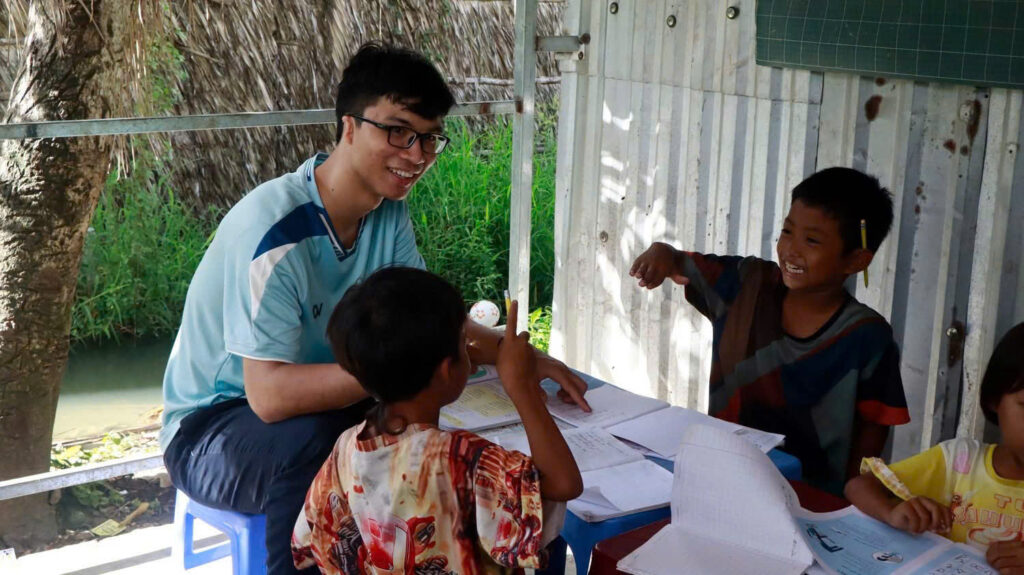
If the Risen Lord continues to meet His disciples in Galilee, then His disciples today should not be surprised to encounter Him in places like Minh Hòa. It is precisely in places that seem to lie on the margins of society – and sometimes even on the margins of the Church – that Christ has already gone before us. He awaits His disciples in the faces of the poor, the little ones, and communities that have not yet come to know Him. For this reason, coming to Minh Hòa is more than undertaking a pastoral assignment or a social outreach. It is a response to the invitation of the Risen Lord: to return to Galilee, to encounter Him anew, and to allow ourselves to be formed by Him in humility, perseverance, and profound respect for the people we serve and for the richness of their culture.
The love of the Gospel continually impels missionary disciples to leave behind familiar surroundings, self-enclosed communities, and forms of religiosity concerned primarily with self-preservation, in order to go where love is needed most. This spirituality of "going forth" is not simply a pastoral slogan; it is the natural fruit of contemplating the Heart of Christ – a heart that never remains at the center but constantly reaches out toward the poor, the little ones, and those who are excluded. At the peripheries, disciples discover that they are not only bringing the Gospel to others; they themselves are being challenged, purified, and transformed by the Gospel they proclaim.
Finally, Galilee reminds every evangelizer of the original simplicity of the Gospel's mission. Jesus did not begin with elaborate rituals, complex structures, or sophisticated theological debates. He began with presence, mercy, closeness, listening, healing, and compassionate accompaniment. It is precisely this simplicity that gives the Gospel its credibility. Every effort to proclaim the Gospel today – whether in a parish, a religious community, or a missionary frontier such as Minh Hòa – will bear lasting fruit only if it remains faithful to the spirit of Galilee: living close to real people, sharing in their fragility, and allowing a life marked by gentleness, humility, and mercy to become the Gospel's first and most convincing language.
V. Galilee: The Place Where the Risen Lord Encounters Us – and Sends Us Forth
In Mark's Gospel, Galilee is not only the place where Jesus' public ministry begins; it is also the privileged place of a deeply personal encounter with the Risen Lord. The angel's message – "He is going ahead of you to Galilee" (Mk 16:7) – reveals that the Risen Christ does not wait for His disciples in some abstract or glorious setting. He awaits them in their own "Galilee": the place where their vocation first took shape, but also the place marked by memories of fear, failure, and betrayal. Spiritually speaking, every disciple carries within a personal "Galilee" – wounds that have not yet been healed, limitations that have not yet been overcome, disappointments that continue to weigh upon the heart. It is precisely there that the Risen Lord comes to meet us. He does not condemn; He restores. He does not reopen the past in order to accuse, but to make possible a new beginning. In this sense, the Resurrection is, before all else, an experience of encounter and healing.
The wonder of the Resurrection in Mark's Gospel does not lie primarily in extraordinary signs such as the rolled-away stone or the empty tomb. Its deepest miracle is the transformation of human lives. Those disciples who once fled in fear become courageous witnesses; fragile men and women are entrusted with a mission far beyond their own strength. The Resurrection does not erase the failures of the past; rather, it transforms them into the very place from which mission begins. As the Church continually reminds us, God does not send perfect people on mission. He sends those who have first allowed themselves to be touched by His mercy. It is the experience of forgiveness and healing that gives credibility to their witness, for what they proclaim is no longer their own strength, but the transforming power of God's grace.
From Galilee, the disciples are sent to the ends of the earth: “Go into all the world and proclaim the Gospel to every creature” (Mk 16:15). This missionary mandate reveals a profound spiritual order: the universal mission of the Church can only begin from a heart that has first been healed through an encounter with the Risen Lord. Galilee is the point of departure, never the final destination. If those who proclaim the Gospel do not return to their own "Galilee," if they do not allow the Risen Christ to heal their wounds, fears, and hidden burdens, their mission can easily become a heavy obligation—or worse, a mere function to be performed. But when mission flows from a genuine encounter with the Risen Lord, disciples are able to go forth with hearts that are free, knowing that they proclaim not themselves, but the One who has encountered them, healed them, and transformed their lives.
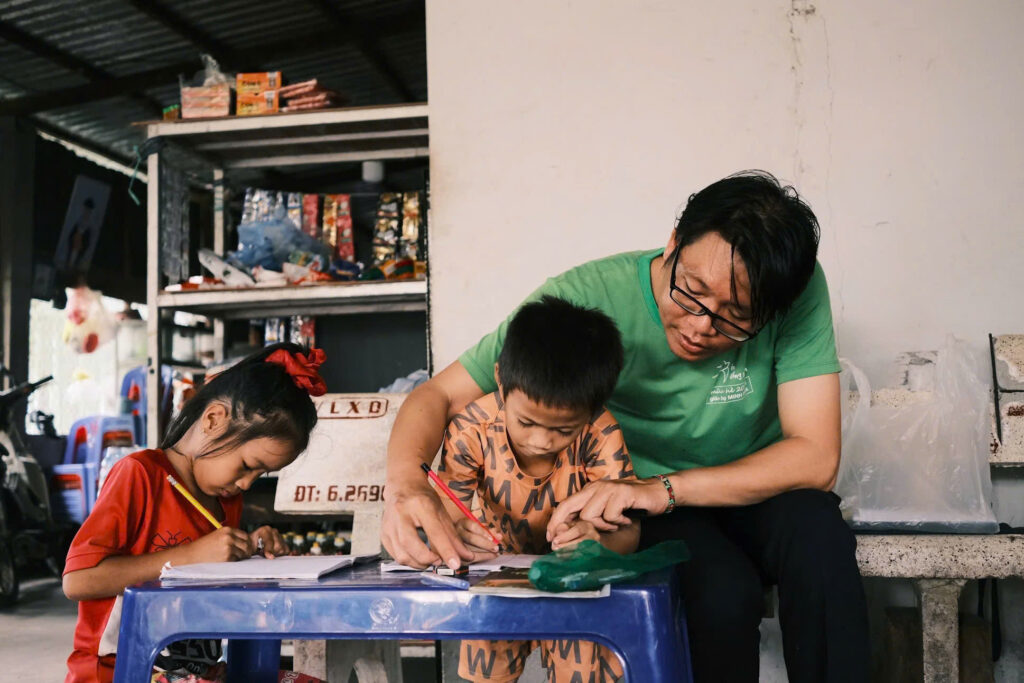
Seen in this light, Minh Hòa is more than a place of mission; it can become a "Galilee" where the Risen Lord continues to encounter His disciples and send them forth. By living among the poor, walking alongside the Khmer people, sharing the burdens of struggling families, and remaining present among those whose lives are marked by hardship, missionaries gradually discover that Christ was already there before they arrived. He is not waiting to be brought from elsewhere; He is already there, quietly waiting for us, in the faces of the little ones, in the longing to live with dignity, to be loved, and to be recognized as children of God. To come to Minh Hòa, therefore, is not simply to carry out a mission. It is to enter into an encounter with the Risen Lord, who always goes before His disciples in the peripheries. That encounter continually purifies the missionary's heart, reminding us that we are never the owners of the mission, but humble co-workers with the God who is already at work in the world before we arrive.
VI. Conclusion
Mark's Gospel does not conclude with a dazzling manifestation of glory or with a detailed pastoral program. Instead, it ends with a promise that opens the future: “He is going ahead of you to Galilee” (Mk 16:7). In these few words lies a profound truth about Christian mission. The mission of the Church never finds its fulfillment in success or ends in failure. It is continually reborn by returning to its origin – the place of simplicity, poverty, and the first encounter with Christ. Galilee thus becomes the enduring symbol of a mission grounded not in memories of past achievements, but in the grace of beginning anew after every disappointment, a grace made possible only through God's love and mercy.
Galilee may also be understood as the spiritual place where the human heart is made new. It is there that disciples learn once again what it means to entrust themselves to God – not as an act of passive resignation, but as a renewed confidence in the God who continues to work even through their weakness. In Galilee, disciples are set free from the illusion that they must be perfect, so that they may recover the simplicity of their first calling. They are freed from the fear of failure, so that they may rediscover the joy of the Gospel. They are freed from the temptation to remain closed in upon themselves, so that they may open their hearts to others, especially to the poor and the forgotten. In this way, love is not merely the motivation for mission; it is the wellspring from which mission is continually renewed, purified of mere activism, and restored to its true character as communion and service.
For this reason, those who proclaim the Gospel do not journey to Galilee only once in the past. They are invited to return there every day: whenever they choose mercy instead of bitterness; whenever they return to the simplicity of the Gospel rather than relying on structures or power; whenever they encounter Christ in the poor, the vulnerable, and those living on the peripheries; whenever they rise again after failure without allowing failure to have the final word; and whenever they dare to begin anew with hearts that have been healed by love. It is there, in the Galilee of everyday life, that the Risen Lord continues to encounter His disciples, to heal them, and to send them forth once again, so that the Gospel may be proclaimed not only with words but, above all, through lives transformed by love.
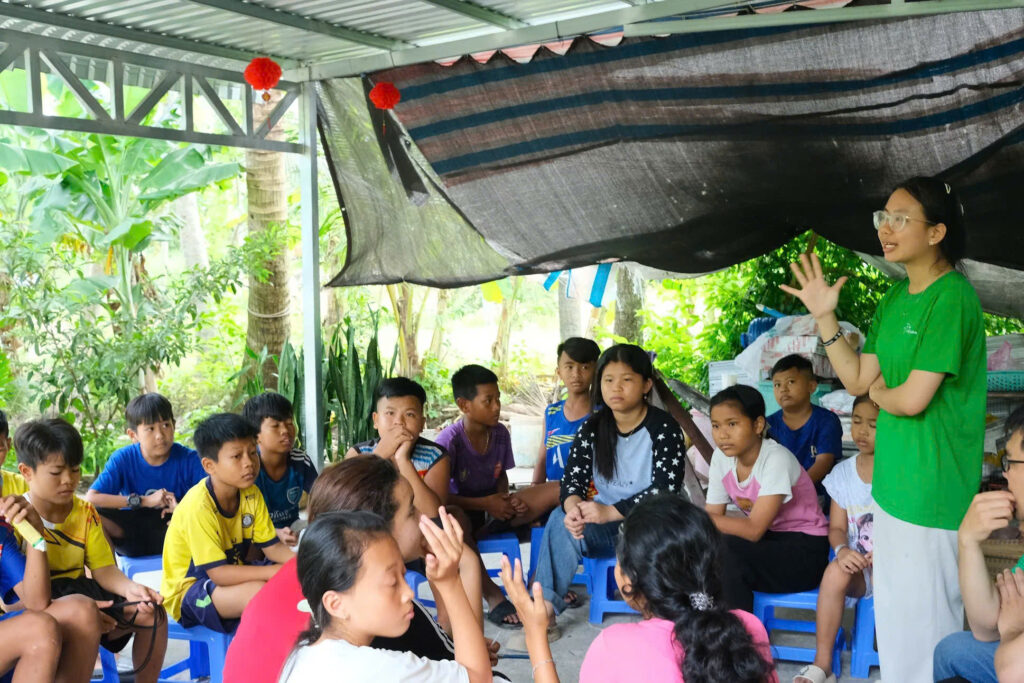
If Galilee was the place to which the first disciples were called to return after the Resurrection, then today Minh Hòa may likewise be recognized as a Galilee for the Church in Vietnam. Not because it is marked by impressive achievements or visible pastoral success, but because it is one of those peripheries where disciples learn anew the simplicity of the Gospel, encounter Christ in the poor, and allow themselves to be transformed by that encounter. The angel's message on Easter morning continues to resound in the life of the Church today: “He is going ahead of you to Galilee.” For us, these words may also be heard as an invitation to journey toward the "Galilees" of our own time – and Minh Hòa is surely one of them. It is there, on the peripheries, that the Risen Lord continues to go before His disciples, to await them, and from there to send them forth, so that the Gospel may be written anew through lives of humility, service, and love.
Joseph Nguyen Tuan Phuc, S.J.
S.T.L. in Theology of Migration
[1] Cf. 1 Cor 1:26–29.